FEMA P-361 design positioning
ICC-500 compliant
EF-5 / 250 MPH engineered
Manufactured in Wilkesboro, NC
Statewide Alabama delivery
Permanent or rental

Commercial Tornado Shelter, Severe Weather Protection, Cool-down and Warm-up Facilities, and life safety shelter by:
US Tornado Shelter™
Alabama sits in the heart of Dixie Alley — the part of the country where long-track, violent, and overnight tornadoes hit hardest. The April 27, 2011 Super Outbreak killed 252 Alabamians and produced three EF-5 tornadoes in a single day. From Tuscaloosa to Huntsville to Birmingham to Mobile, Alabama operations need engineered, FEMA P-361 / ICC-500 positioned protection — not a hallway and a wish. US Tornado Shelter manufactures and deploys commercial, school, industrial, and community tornado shelters across all 67 Alabama counties.
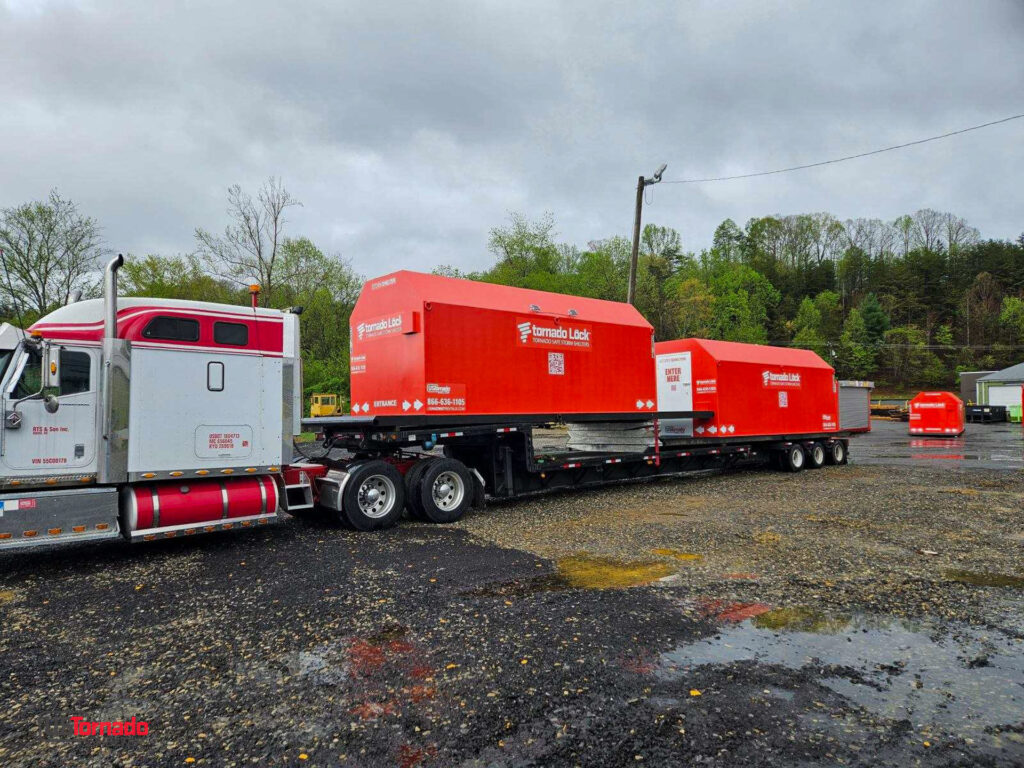
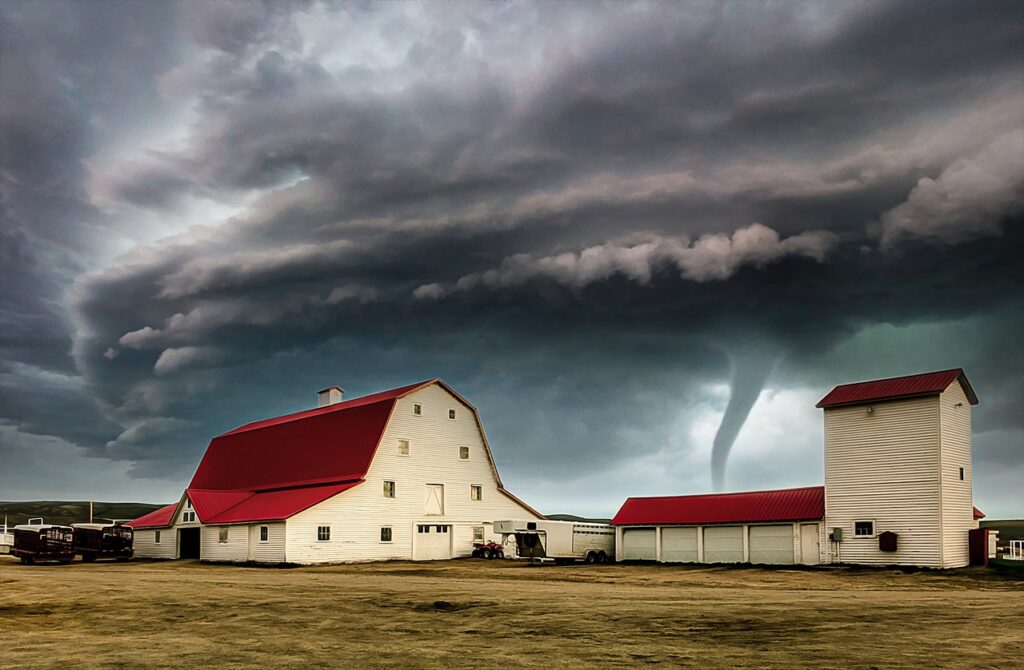
When an EF-3 is two minutes out, ‘shelter in place’ isn’t a real answer.
US Tornado Shelter delivers engineered protection, designed to FEMA P-361 / ICC-500 criteria, rated for EF-5 / 250 MPH winds, and deployable in weeks, not years.
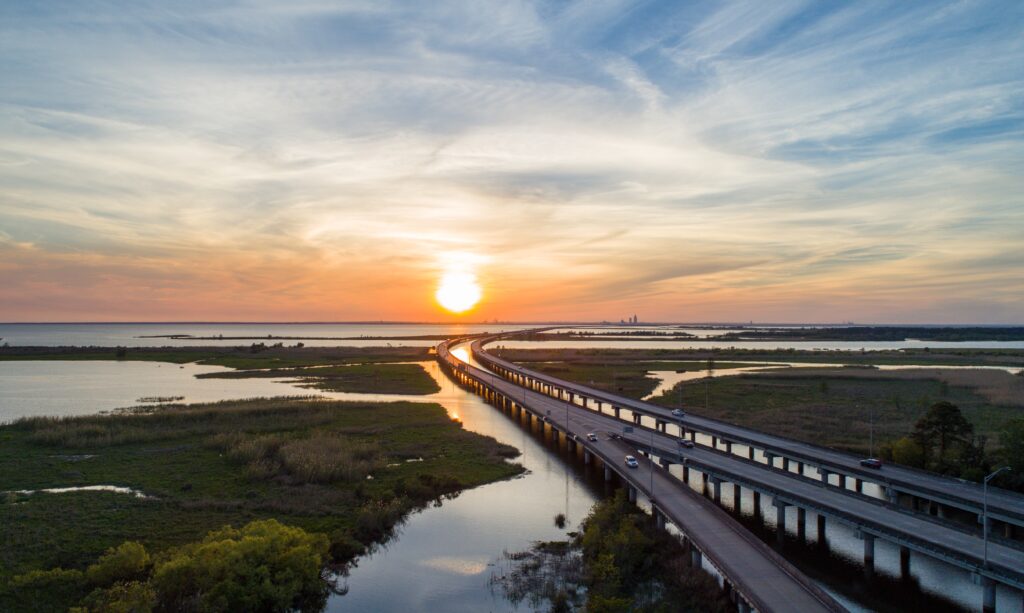
US Tornado Shelter provides commercial and community storm shelter solutions across every region of Alabama — from the Tennessee Valley north to the Wiregrass south, and from the Black Belt to the Gulf Coast. Permanent installs and rapid-deploy rentals are both available.
US Tornado Shelter provides reliable, on-site protection across multiple regions. We deploy our mobile units directly to your project location, ensuring safety is always within reach. Explore our primary service areas below to find a solution near you.
Protecting your Alabama facility, school, or worksite starts with the right shelter solution. With the US Tornado Shelter Planner, you can configure a shelter based on your location, occupancy needs, and regional tornado risk profile.
The planner allows you to explore both rental and permanent options before speaking with a specialist.
US Tornado Shelter is built for the way Alabama actually works. Auto OEMs and tier-one suppliers, aerospace and defense, ports and shipyards, ISDs, agriculture, and the small-town manufacturers that anchor entire counties. Every product is designed to FEMA P-361 / ICC-500 criteria and engineered for EF-5 / 250 MPH winds.
Every US Tornado Shelter product is engineered to align with the standards Alabama safety directors, building officials, and procurement teams ask about by name:
Permanent
Commercial tornado shelters
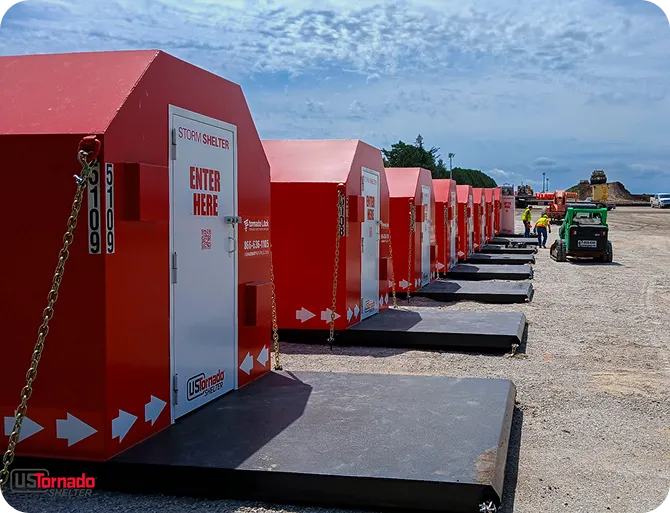
Above-ground and ground-installable configurations from 8x10 ft to 10x60 ft and custom builds beyond. Solid-weld or panelized bolt-together kits. Site-specific anchoring, natural air ventilation, lighting with battery backup, benches, signage, and access-control options.
Rental
US Tornado Shelter rentals
Rapidly deployable rental shelters for construction job sites, EV-battery and auto-plant expansions, aerospace builds, disaster response, special events, and any project that needs hardened protection now while a permanent solution is engineered, funded, or built.
Custom & scalable
Multi-unit configurations
For large campuses including auto OEM plants, multi-building ISDs, hospital systems, ports, and refineries, US Tornado Shelter deploys multi-unit networks that meet FEMA travel-distance criteria across the entire footprint, then expand as the operation grows.
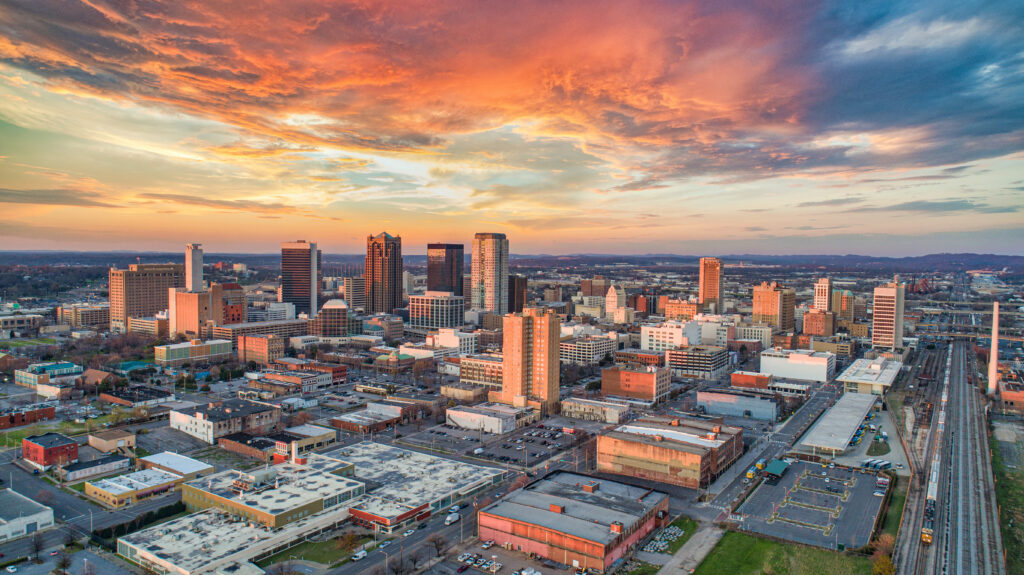
The US Tornado Shelter Planner App walks Alabama safety directors, ISD facilities staff, GCs, and municipal planners through capacity calculations, FEMA occupancy math, product matching, and quote requests in minutes.
Locally owned and operated, manufactured in Wilkesboro, NC. A manageable delivery distance to every Alabama market, from major metros to remote rural sites.
US Tornado Shelter supports Alabama state, county, municipal, school district, federal, and prime-contractor procurement. Capability statements, FEMA P-361 / ICC-500 engineering documentation, capacity planning, and bid-ready specs are available on request.
Alabama averages roughly 45 to 50 confirmed tornadoes per year, consistently ranking among the top tornado-active states in the U.S. Alabama sits inside Dixie Alley, where overnight, long-track, and violent tornadoes are common.
April 27, 2011 brought a historic Super Outbreak with 62 confirmed Alabama tornadoes in one day, three EF-5 tornadoes (Hackleburg-Phil Campbell, Smithville-Shottsville, and Rainsville), and 252 Alabama fatalities. The EF-4 Tuscaloosa-Birmingham tornado from that same day remains one of the most widely studied modern tornado events.
Alabama has adopted IBC editions that include Section 423 storm-shelter provisions for new K-12 schools and additions located within the 250 MPH design wind speed zone. Group E educational occupancies with an occupant load of 50 or more typically trigger an ICC-500 compliant storm shelter requirement, with travel distance not exceeding 1,000 feet. Confirm local adoption details with the AHJ for each project.
Central and northern Alabama — Tuscaloosa, Birmingham, Huntsville, Decatur, Cullman, Anniston, Gadsden, and the Tennessee Valley counties — carry the highest tornado track densities. The Beauregard / Lee County corridor in east Alabama and the Wiregrass region also see significant activity.
Yes. US Tornado Shelter provides statewide coverage across all 67 Alabama counties, including remote rural sites and Black Belt communities. Permanent installations and rapid-deploy rental shelters are both available.
Yes. US Tornado Shelter Rentals are deployed across Alabama for construction job sites, auto plant and EV-battery expansions, aerospace builds, disaster response, and facilities awaiting permanent installation. Long-term and short-term terms are available.
Commercial and community shelters in Alabama should meet or exceed FEMA P-361 design criteria and the ICC 500 standard. US Tornado Shelter products are positioned to FEMA P-361 / ICC-500 / EF-5 / 250 MPH criteria.
Yes. We support Alabama municipalities, school districts, counties, state agencies, federal sites (including Redstone, Maxwell-Gunter, Anniston Army Depot, Fort Novosel), and prime contractors with bid-ready documentation, capability statements, engineering packages aligned to FEMA P-361 / ICC-500, capacity planning, and modular configuration alternatives to traditional single-unit construction.
The next April 27 will eventually come for somewhere in Alabama. Whether you’re a safety director at a Mercedes or Hyundai plant, a facilities lead for an Alabama ISD, a GC building a data center or EV-battery site, or a city manager planning a community safe room — US Tornado Shelter has an Alabama-ready answer.