
Midwest Faces New Tornado Threat
Millions across the Midwest face another round of violent storms, with tornado shelter planning again becoming a priority for facilities in Missouri, Illinois, Indiana, and Kentucky. The threat comes just days after tornadoes, damaging winds, and large hail hit many of the same communities, raising concern for a fast-moving outbreak on Wednesday.
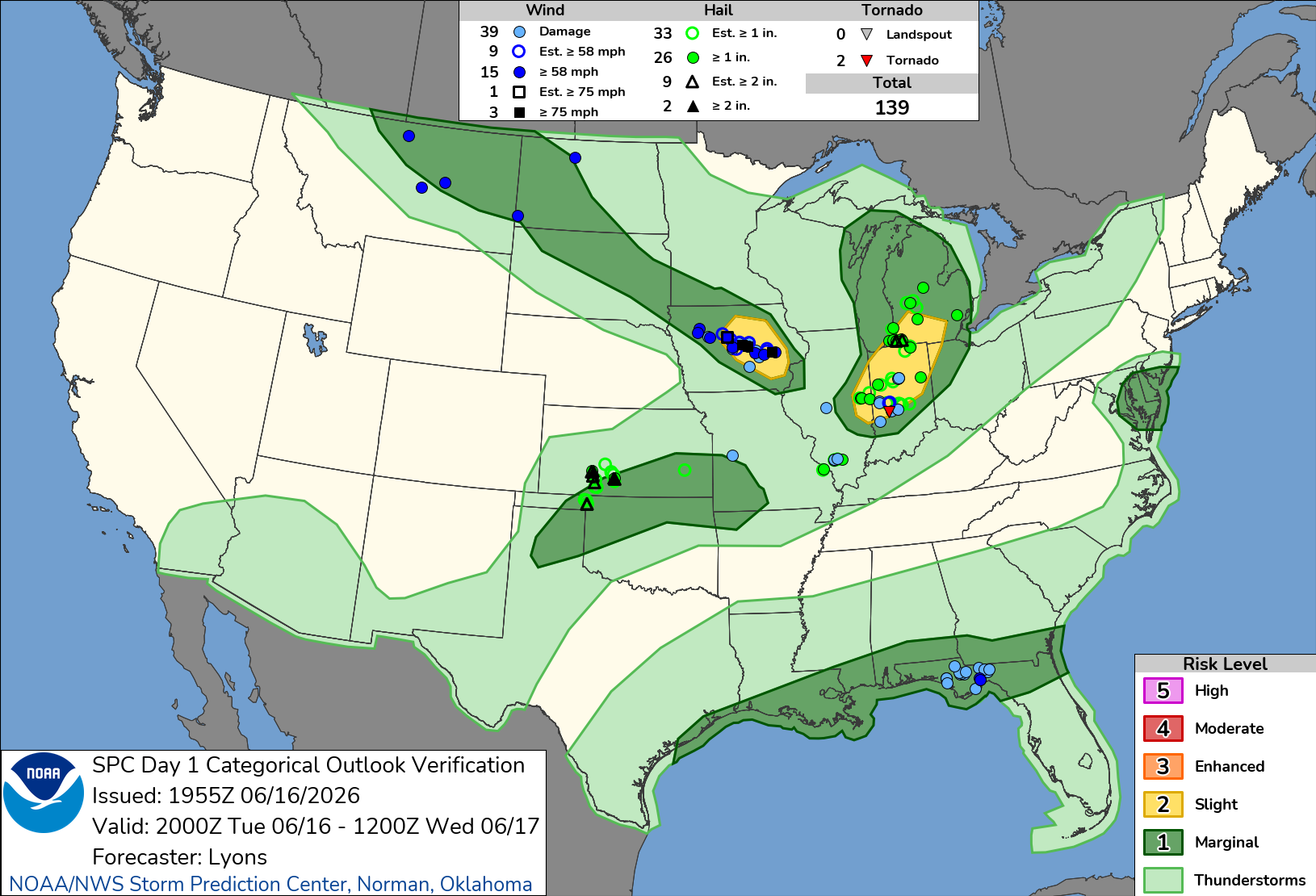
Source: NOAA Storm Prediction Center
Severe weather risk builds again
The renewed threat follows a recent severe weather outbreak that already strained local response and recovery efforts. Forecasters are watching for a setup that can support discrete supercells and then a line of storms. That combination often brings a mix of tornadoes, flash flooding, and destructive wind gusts across a broad corridor.
For operations leaders in St. Louis, Springfield, Indianapolis, Louisville, and surrounding counties, the concern is not only the storm itself. It is the short interval between watches, warnings, and impact. The Storm Prediction Center often flags these events early when the atmosphere supports organized severe storms. Those outlooks matter because they give facilities a limited window to move staff, secure assets, and verify shelter access.
This type of outbreak is common in the central U.S. during the warm season transition. Strong wind shear, rich low-level moisture, and a sharp frontal boundary can produce long-track tornadoes and embedded flash flooding. In industrial parks, distribution centers, and retail corridors, that can mean power loss, roof damage, blocked access roads, and interrupted deliveries within hours.
Tornado shelter readiness for Midwest facilities
Facility managers should treat this event as a live operational risk, not a routine weather headline. A tornado shelter is most useful when it is already integrated into the site plan, with clear access routes and enough capacity for the people on site during peak hours. That matters in this outbreak because the same counties hit last week may be targeted again.
Commercial properties in central Illinois, western Kentucky, and eastern Missouri often face a timing problem. Severe weather can arrive during shift changes, customer traffic, or loading activity. A shelter plan reduces confusion when warnings are issued by the National Weather Service. It also helps managers decide where employees and visitors should go if a warning is issued while the site is still operating.
For teams reviewing their response plans, our commercial tornado shelters page outlines options built for business sites that need dependable protection and fast deployment planning. The need is especially clear when severe weather is expected to repeat across the same Midwest corridor in a short period of time.
Why this outbreak raises operational risk
Repeated severe weather events create layered disruption. The first round may leave behind downed trees, damaged roofs, and saturated ground. The next round can worsen those problems and make emergency access slower. Flash flooding is a particular concern because it can isolate facilities even when the tornado threat is the main headline.
That is a problem for shopping centers, warehouse campuses, and manufacturing sites that rely on open parking lots and multiple access points. In Ohio, Indiana, and Illinois, storm water can collect quickly around underpasses and low-lying roads. If a warning arrives during heavy rain, staff may not be able to reach a distant off-site location in time.
Weather history in the Midwest shows that spring and early summer outbreaks often produce more than one hazard at once. Tornadoes may form ahead of the main line, while flash flooding develops behind it. The result is a wider operational footprint than a single storm cell would create. For planners, that means the response plan should account for both wind damage and evacuation constraints.
What managers should review now
Site leaders should verify that warning reception systems are active, that shelter access is unobstructed, and that after-hours contacts are current. They should also check whether tenant spaces, loading docks, and customer areas have a clear path to protection. In a fast-moving outbreak, those details determine how quickly people can move.
Facility teams can use our Storm Planner to evaluate shelter placement before the next severe weather outbreak. The tool is useful for sites that need to compare occupancy, footprint, and access points against current risk. It is especially relevant now, because the same Midwest states that saw damage last week are again in the forecast path.
Fox Weather has tracked the increasing threat across the region, and the pattern is consistent with a setup that can escalate quickly. For managers in St. Louis, Indianapolis, Louisville, and nearby markets, the question is whether the site can protect people without delay if warnings are issued during business hours.
Plan Your Shelter Capacity
Retail and shopping center operators should review shelter capacity before the next round of severe weather reaches Missouri, Illinois, Indiana, and Kentucky. If your property needs a permanent solution, you can explore rental options or photo gallery examples to compare configurations and placement. You can also Storm Planner to map occupancy needs, contact our team for a site review, and view available shelter inventory for projects that need a commercial tornado shelter solution now.