
Tornado Confirmed Near Fruit Heights
A tornado shelter is a serious consideration after the National Weather Service confirmed a tornado touched down in the mountains east of Fruit Heights, Utah. The storm also brought large hail to nearby Davis County communities and followed a tornado warning for Davis, Weber, and Morgan counties.
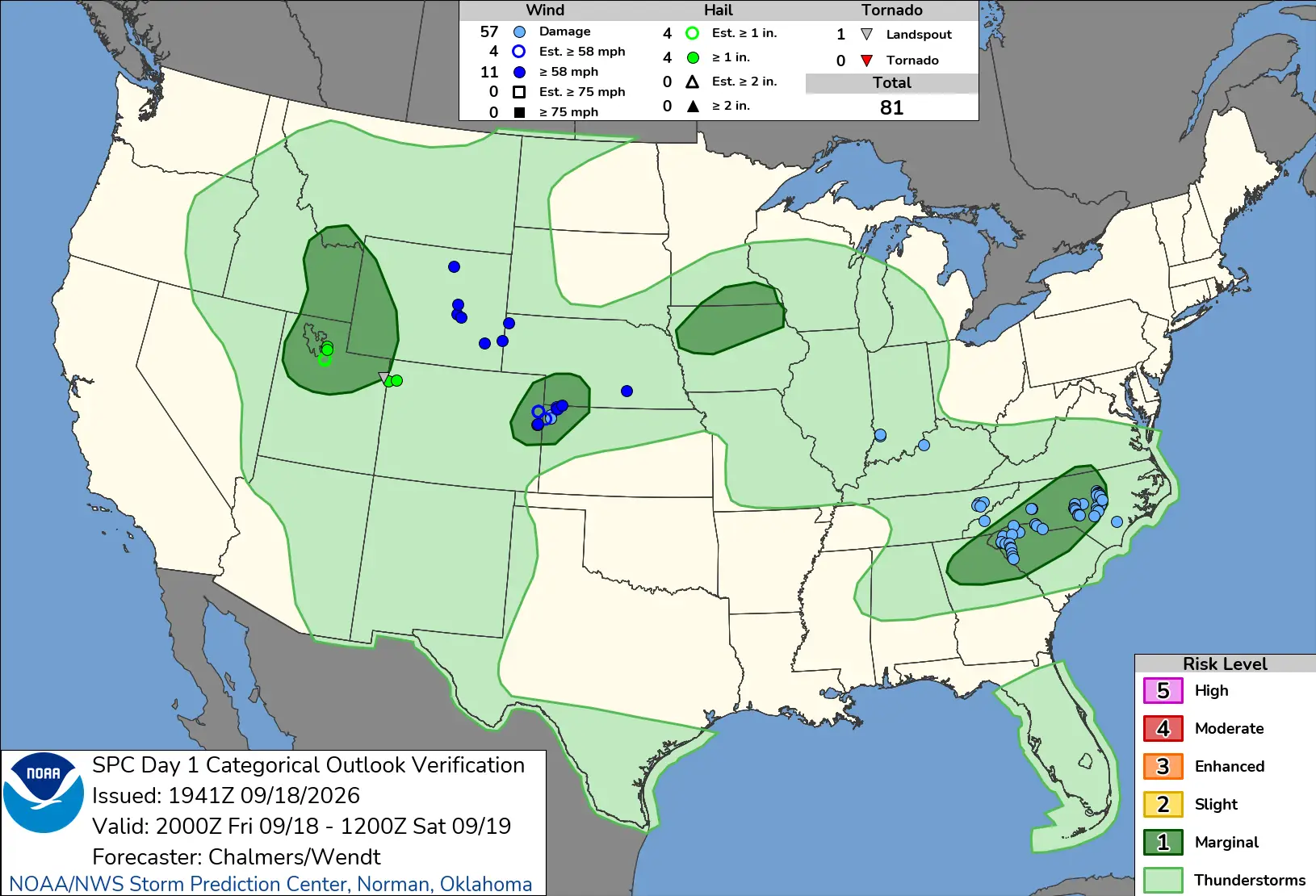
Source: NOAA Storm Prediction Center
Tornado Confirmed East of Fruit Heights
The National Weather Service said rotation reached the ground east of Fruit Heights and lofted debris. That confirmation matters for facility managers in Davis County and across northern Utah. It shows the storm had enough structure to produce a tornado, not just a brief rotation aloft.
Fruit Heights sits near the Wasatch Front, where terrain and fast-changing storm motion can complicate response. In this part of Utah, severe weather can develop quickly during the warm season. Hail, strong outflow, and short-lived tornadoes can all occur in the same storm line.
The warning covered Davis, Weber, and Morgan counties. That broad footprint is a reminder that one storm can affect multiple jurisdictions at once. For operators with plants, warehouses, or critical support sites in Kaysville, Layton, Ogden, and nearby communities, warning lead time can be limited.
Severe Weather Risk Across Davis County
Large hail reported in Davis County adds another operational concern. Hail can damage roofs, skylights, vehicles, loading docks, and exposed equipment. It can also slow access roads and force temporary shutdowns while crews inspect facilities.
For industrial sites, the issue is not only direct damage. Tornado warnings often trigger sheltering, production pauses, and communication checks. If a site has a large workforce or multiple shifts, those interruptions can spread through the rest of the day.
Utah is not the most tornado-prone state, but it is not immune. The state sees a small number of tornadoes each year, many of them weak. Even so, a tornado near Fruit Heights is a reminder that low-frequency events still create high-consequence risk for facilities that lack hardened refuge space.
Forecast and warning products from the Storm Prediction Center and the National Weather Service remain the core tools for tracking this kind of threat. When a warning is issued for Davis, Weber, or Morgan counties, the response window may be short. That is especially true for sites with outdoor crews, truck traffic, or large open floor plans.
What This Means for Facility Operations
The Fruit Heights tornado confirmation should prompt a review of shelter access, warning methods, and accountability procedures. A facility in Davis County may not need a large structural response every day, but it does need a clear path to protected space when severe weather escalates.
For managers evaluating commercial tornado shelters, the question is not whether a tornado will hit the same address again. The question is whether staff can reach protected space fast enough when a warning is issued for the county. That is especially relevant for plants with high occupancy, shift changes, or visitors on site.
Storms that produce tornadoes east of Fruit Heights can also affect logistics. Deliveries may be delayed. Outdoor work may stop. Utility crews, school maintenance teams, and municipal operations staff may need to shift priorities in minutes. A documented shelter plan reduces confusion when the warning sirens or alert messages go out.
The event also reinforces the value of site-specific planning. A warehouse in Layton may face different exposure than a school campus in Kaysville or a distribution yard near Ogden. The right shelter placement depends on occupancy, travel distance, and how quickly people can move when severe weather arrives.
Why Tornado Shelters Matter Here
Fruit Heights and the surrounding Davis County corridor sit in a region where storms can move from routine to dangerous with little warning. A tornado shelter gives facility leaders a fixed point of refuge when the National Weather Service issues a warning for the area. It also helps reduce hesitation during fast-moving events that include hail, wind, and debris.
Facility managers can use our Storm Planner to evaluate shelter placement before the next severe weather outbreak. That review is useful for sites in Fruit Heights, Davis County, Weber County, and Morgan County, where one warning can affect multiple operations at once. It also helps identify whether current refuge space is close enough for the people who need it.
For industrial operators, the goal is continuity as well as safety. A well-placed shelter can help protect workers and support a faster return to operations after the storm passes. It can also reduce the uncertainty that follows a confirmed tornado near a site, especially when hail or debris has already disrupted normal activity.
Speak with a Specialist
Industrial and manufacturing leaders in Utah should use this event as a trigger to review shelter capacity, access routes, and warning procedures. If your site serves as a critical production or storage point, now is a good time to contact our team and discuss options that fit your footprint and occupancy needs. You can also photo gallery to see installed solutions, explore rental options for near-term needs, and Storm Planner to map shelter placement against your floor plan. For immediate planning, use the links to view available shelter inventory and contact our team about deployment timelines.