
Brief Tornado Damages Comanche County
A brief tornado touched down in rural Comanche County, Kansas, and caused damage near Wilmore, a reminder that every facility in the path of severe weather needs a tested tornado shelter plan. Emergency officials said the storm flipped an outbuilding horse shed and uprooted several corral posts about 6 miles southeast of Wilmore. No injuries were reported.
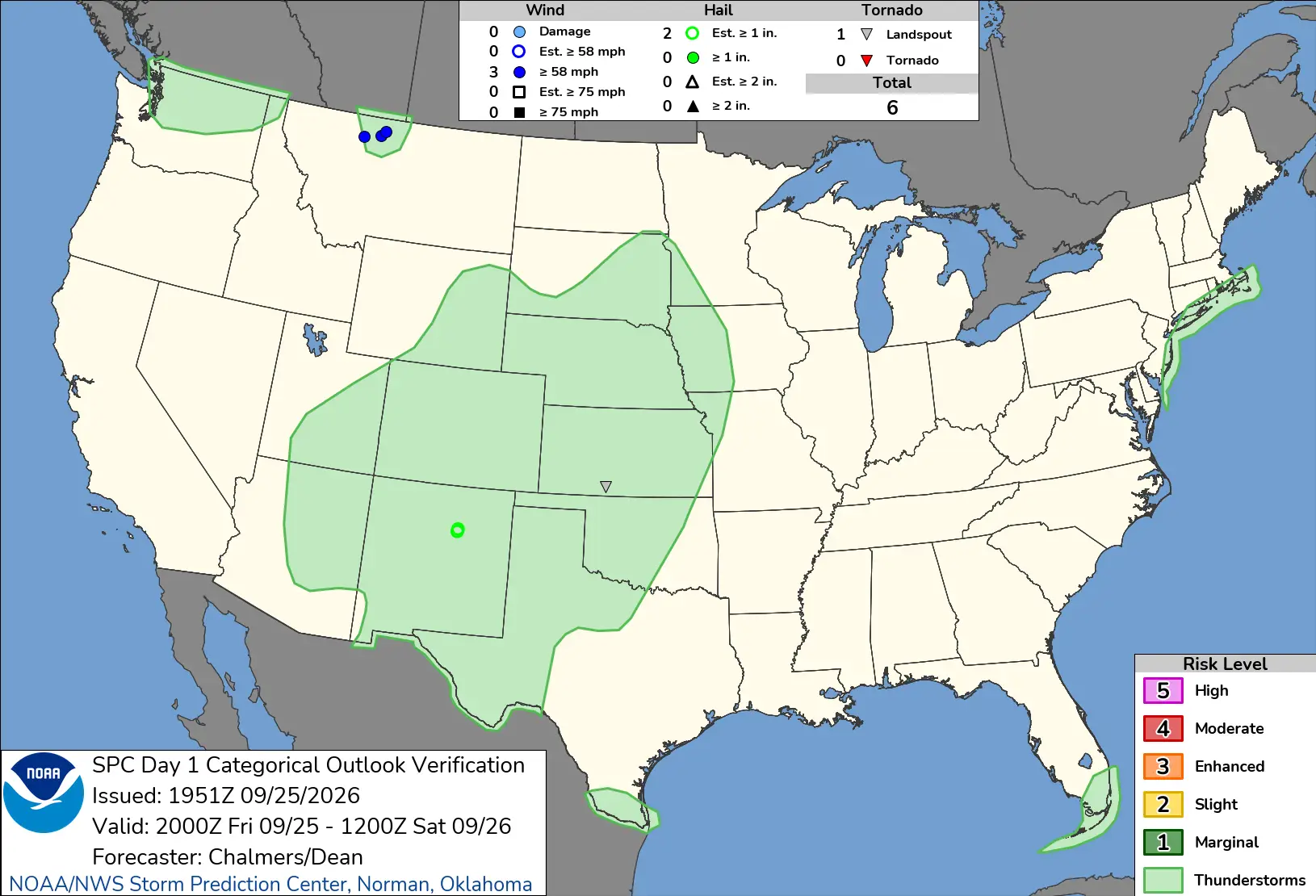
Source: NOAA Storm Prediction Center
Tornado touchdown near Wilmore
The touchdown was short-lived, but the damage was real. In Comanche County, the tornado affected property in open country southeast of Wilmore, where exposed structures can take a direct hit from rotating winds. The National Weather Service was expected to review the storm data for an official rating and track. Until that review is complete, the event remains a confirmed touchdown with limited damage details.
For operations managers in southern Kansas, this is the kind of event that can interrupt work without warning. Rural facilities often sit far from dense warning networks and may have fewer hardened spaces on site. A commercial tornado shelter can provide a fixed refuge point when a warning is issued and outdoor assets are exposed.
Why Comanche County remains vulnerable
South-central Kansas sits in a region that sees frequent spring and early summer severe weather, but tornadoes can occur outside the peak season as well. The combination of unstable air, drylines, and fast-moving storm systems can produce brief tornadoes with little lead time. Even a short touchdown can damage sheds, fencing, equipment, and livestock infrastructure, as seen near Wilmore.
That risk matters for rural industrial sites, ag operations, and municipal yards across Comanche County and nearby parts of Kansas. Open lots and outbuildings offer little protection from sudden rotation. A facility that depends on outdoor storage or animal handling needs a shelter plan that matches the site layout and warning workflow.
Officials often rely on the National Weather Service to confirm damage paths and assign an official assessment after the fact. The Storm Prediction Center provides the broader outlooks that help managers anticipate days with elevated tornado risk. Those products do not replace local procedures, but they help frame the level of readiness needed before storms arrive.
Damage pattern points to exposed assets
The reported damage near Wilmore was limited to an outbuilding horse shed and corral posts. That pattern is consistent with weak or brief tornadoes that strike lightly anchored structures first. It also shows how fast a storm can move from a weather alert to a property loss event. In rural Comanche County, even a small tornado can affect daily operations, animal movement, and site access.
For a manager responsible for a plant yard or maintenance yard, the lesson is straightforward. Outdoor structures are often the first to fail. If employees are working in the open when severe weather develops, the site needs a clear path to shelter. A tornado shelter should be part of the site’s emergency plan, not an afterthought.
Facility teams can also review how the event lines up with their current risk posture. The industries we serve page shows how shelter planning can be adapted for different site types, including operations that keep people and assets spread across large footprints. For some sites, permanent protection is the right fit. For others, rental shelters may support a faster deployment timeline.
Preparedness after a brief touchdown
This event near Wilmore shows why shelter placement matters even when a tornado is brief. A site does not need a major outbreak to suffer damage. It only needs one rotating cell crossing the wrong part of the property. Facility managers should review where staff would go if a warning were issued during shift changes, loading, or animal handling.
Facility managers can use our Storm Planner to evaluate shelter placement before the next severe weather outbreak. That review is especially useful for rural Kansas sites with outbuildings, corrals, and open work areas. It helps identify where a tornado shelter should be placed so employees are not forced to cross exposed ground during a warning.
For sites in and around Comanche County, the review should include access routes, occupancy levels, and the distance from work zones to the protected area. It should also account for how warnings are received after hours. A plan that works during a calm afternoon may fail during a fast-moving storm at the end of a shift.
Check rental availability for industrial sites
Industrial and manufacturing operators in Kansas should treat the Wilmore touchdown as a local test case. Brief tornadoes can still damage property and disrupt production. If your site has exposed employees, outdoor storage, or temporary work areas, check whether a commercial tornado shelter is already part of the emergency plan. If not, review options now and compare them to your site layout and staffing pattern.
To view available shelter inventory, explore rental options, and use the Storm Planner to map placement for your facility. You can also contact our team to discuss timing, capacity, and site needs, then review the photo gallery for examples of shelter configurations used across different operations. If you need to compare coverage across the region, our service areas page can help you confirm support for Kansas and nearby markets.
For manufacturers near Wilmore and across Comanche County, a tornado shelter is part of continuity planning. The goal is to keep people protected and operations recoverable after severe weather passes.