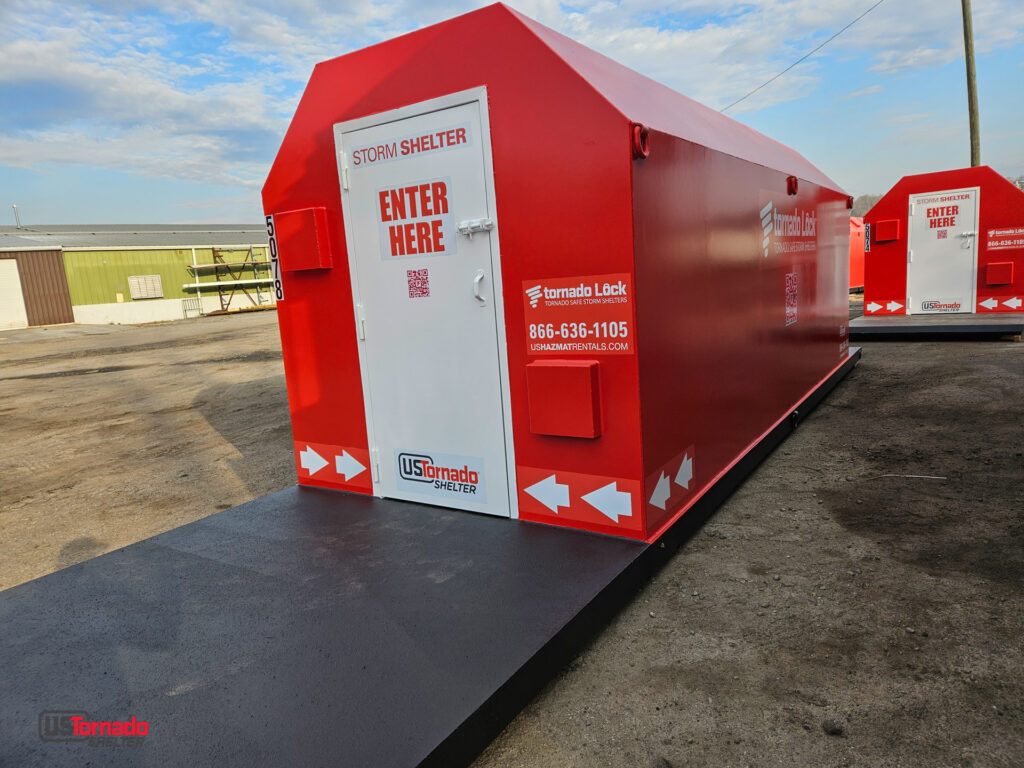
The tornado shelter Joplin story is not only a reference to one of the most serious storm events in modern school safety discussions. It is also a reminder of how quickly a community can be forced to rethink protection, building design, emergency planning, and the spaces where students and staff are expected to take shelter. […]
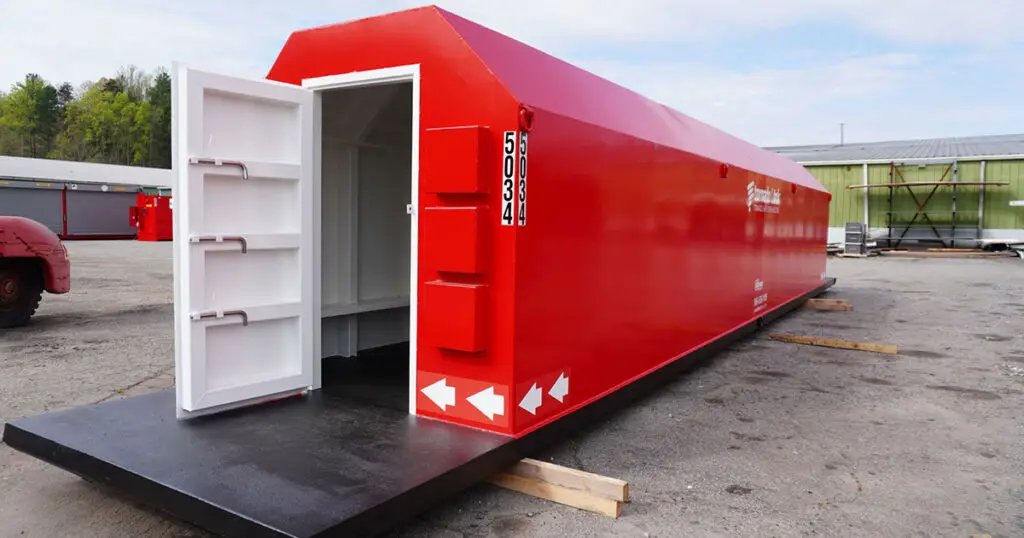
A storm shelter tornado strategy should never feel like a safety item added after the real infrastructure has already been designed. For utility sites, industrial facilities, schools, municipal operations, logistics yards, energy assets, farms, rural properties, and large commercial locations, tornado readiness has to connect with how the entire site works. The word “grid” can […]
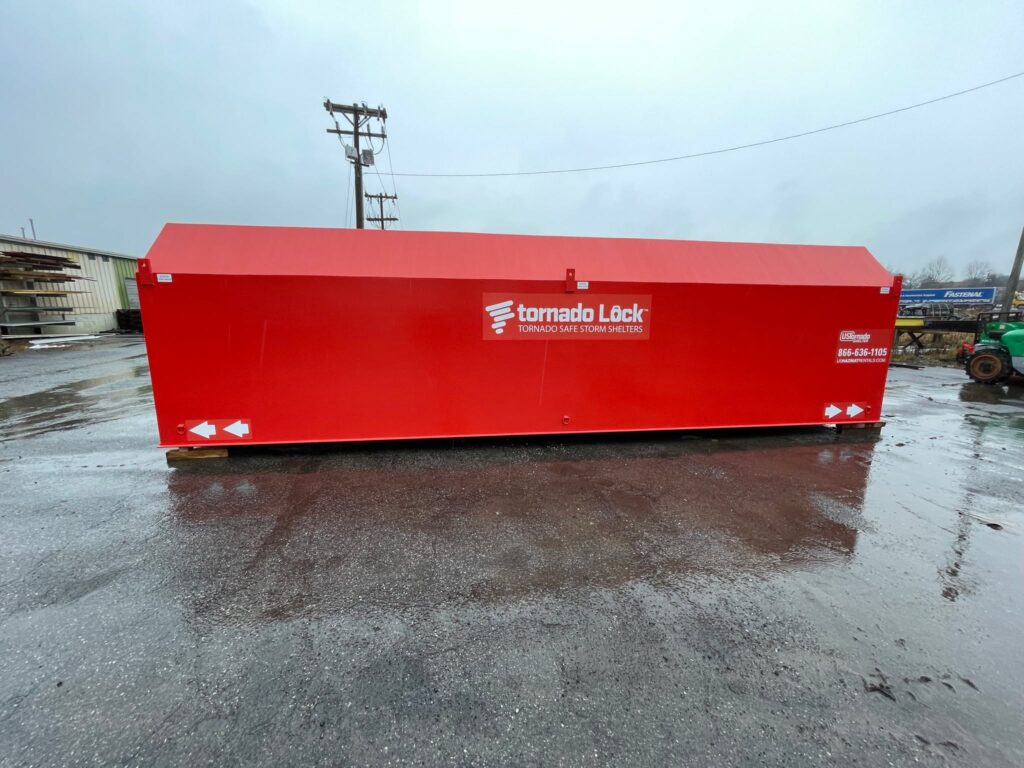
A Nebraska tornado shelter is not just something people think about when the sky turns dark. It is a practical safety decision for homes, farms, schools, businesses, utility sites, public facilities, and job locations across the state. In Nebraska, severe weather planning has to work in real life, not only on paper. It has to […]
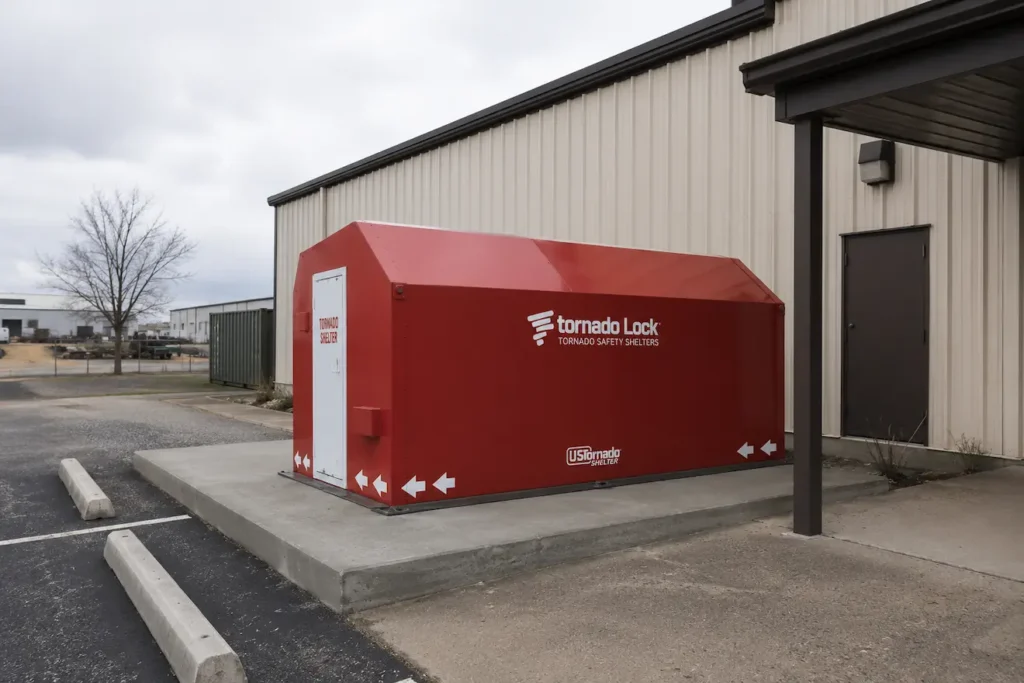
To register tornado shelter units properly, owners need more than a name, address, and a quick phone call. A shelter may be strong, correctly placed, and ready for severe weather, but local agencies may not know it exists unless the information is shared through the right channel. That can matter after a storm, especially when […]
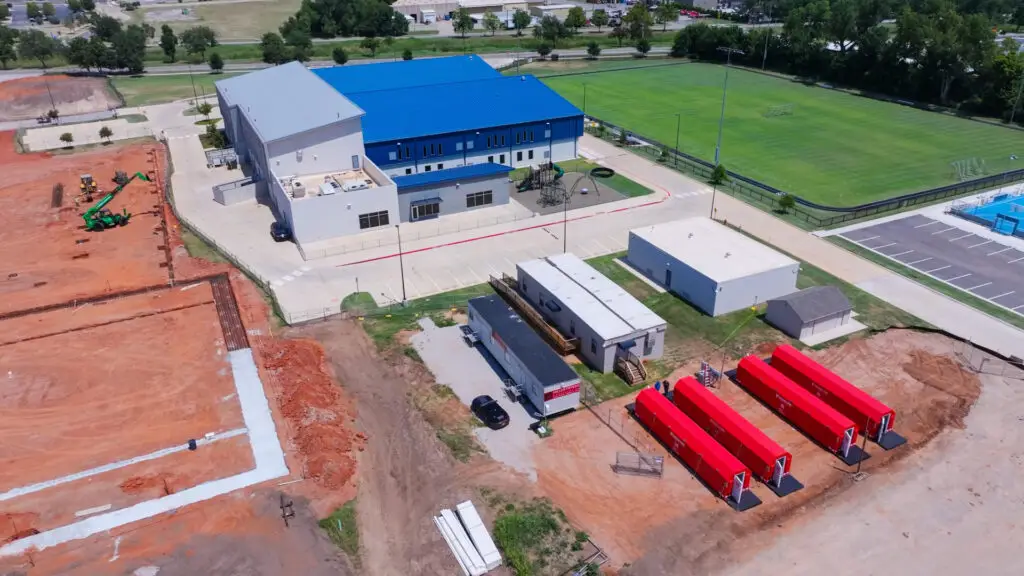
A community tornado shelter becomes more than a structure when a city, town, school district, or public agency plans around real people. Municipal emergency planning is not built on theory. It is built around residents who may be at home, children in school buildings, employees in public facilities, seniors in assisted living environments, families in […]
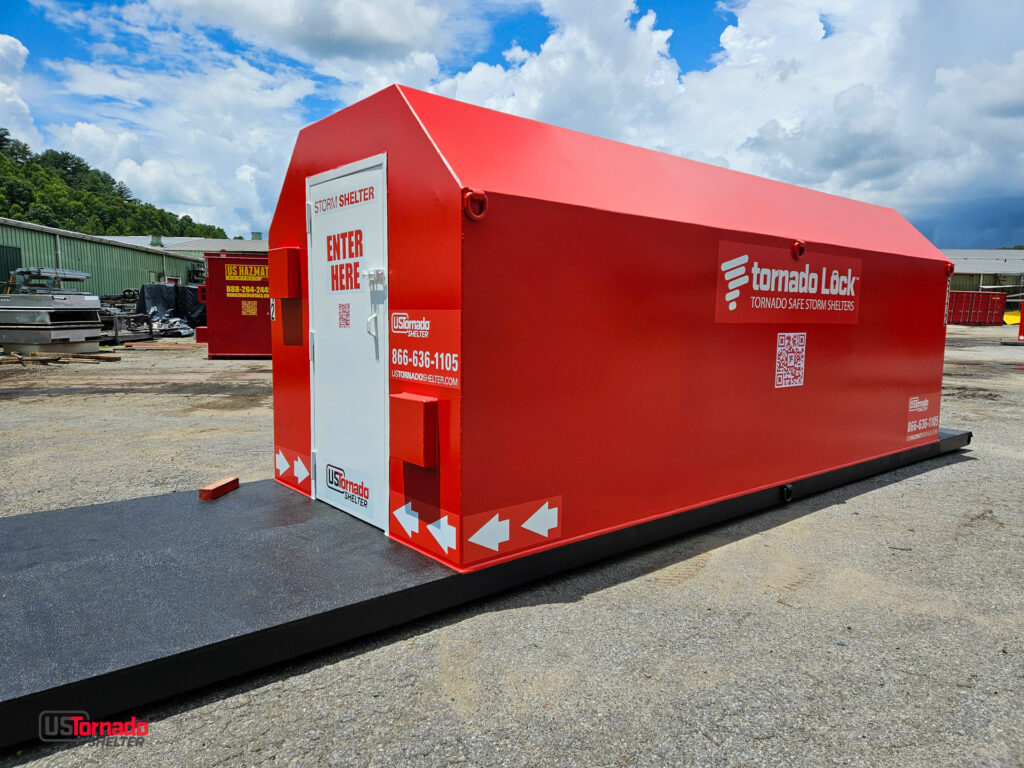
Tornado shelter cost becomes easier to understand when the conversation starts with the real situation, not the biggest number on a quote. Many short-term needs come from active job sites, seasonal projects, utility work, temporary facilities, municipal operations, outdoor crews, or construction schedules where people may be exposed during severe weather. The question is not […]
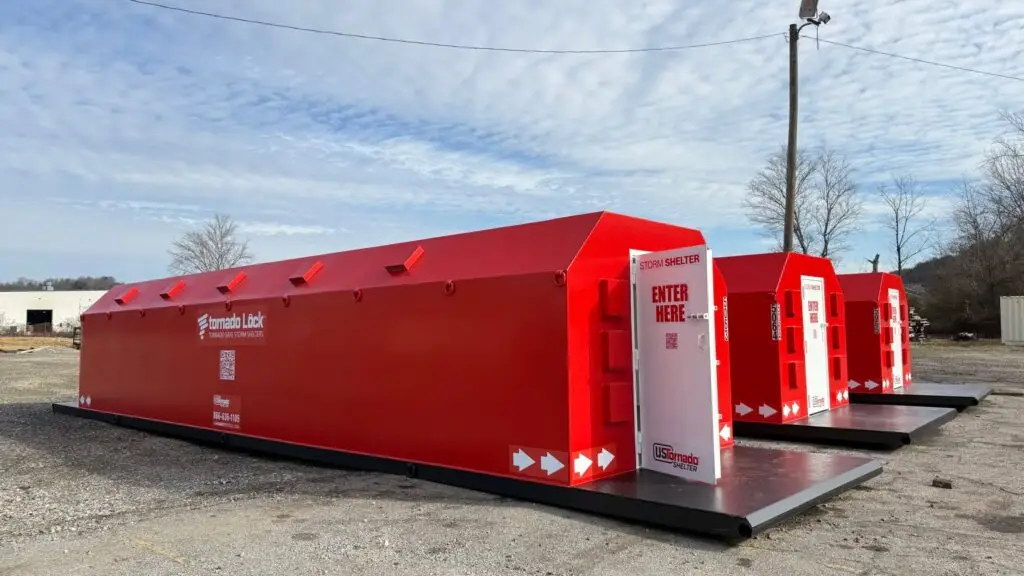
An Oklahoma tornado shelter decision often begins before a purchase order, a public safety meeting, or a construction review. It begins when a municipality, school district, utility site, public facility, or community organization recognizes that severe weather planning cannot depend on improvisation. In Oklahoma, that recognition feels practical, not abstract. Tornado safety is part of […]
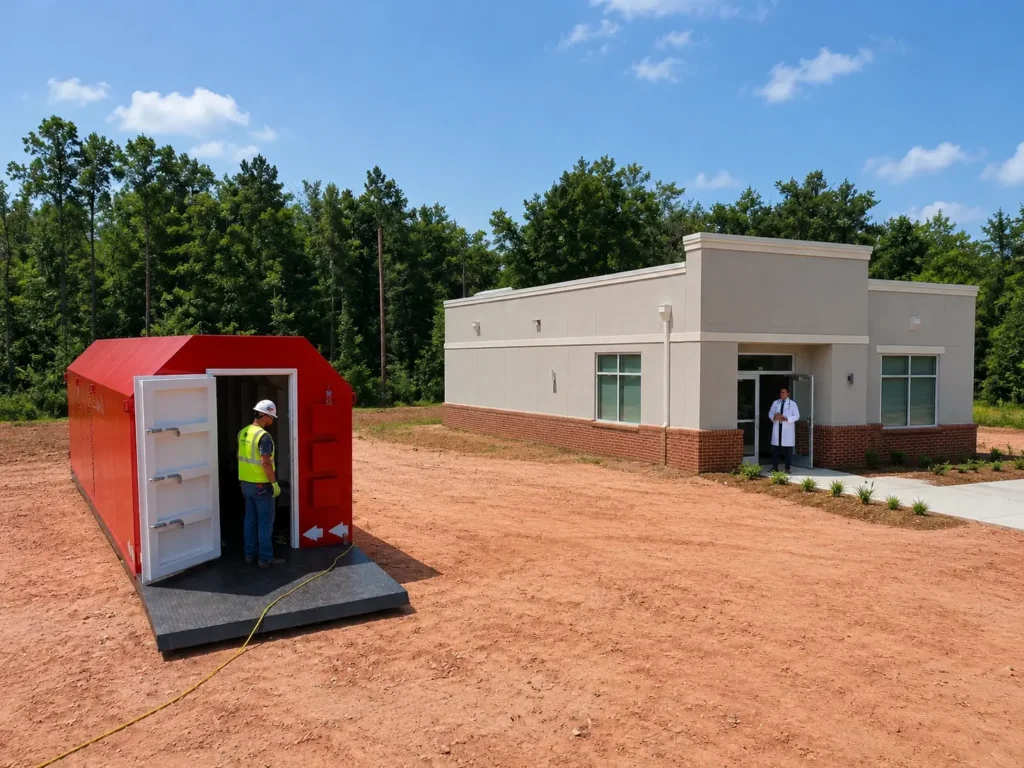
The 20 person tornado shelter can feel like a small detail in the larger operation of a clinic until the moment severe weather enters the schedule. Clinics are not empty buildings waiting for a plan. They are active environments with patients in exam rooms, staff moving between tasks, families waiting for updates, deliveries arriving, and […]
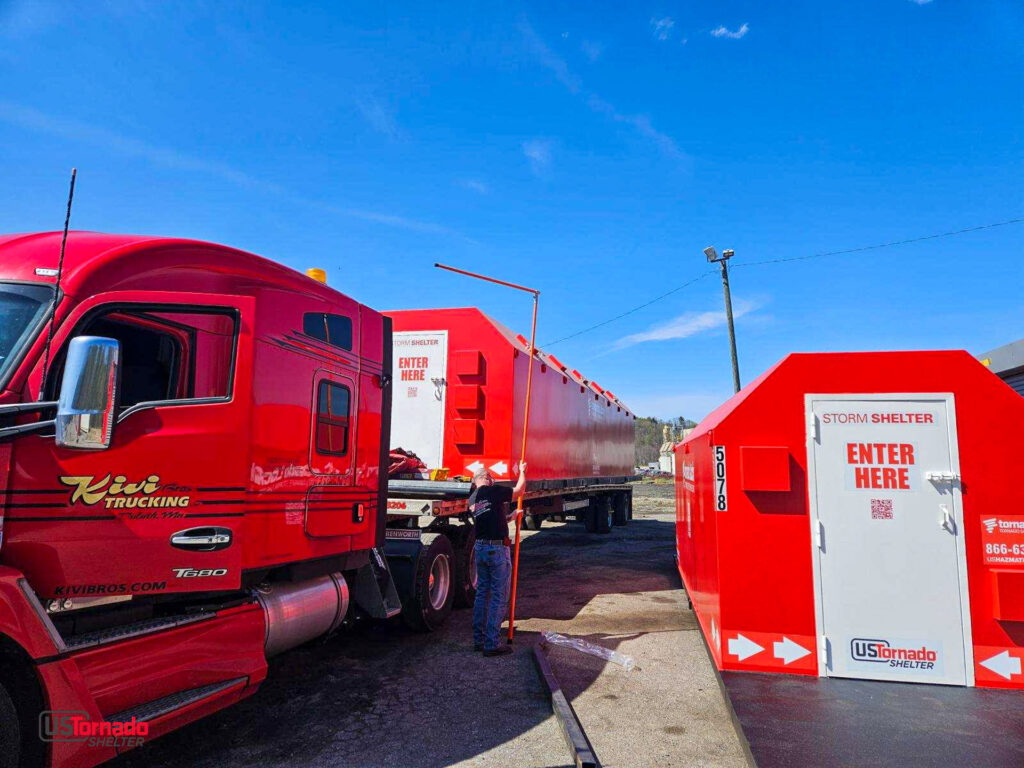
Choosing an above ground tornado shelter Alabama unit is rarely a decision people make casually. It usually begins with a practical concern: a workplace, school, facility, job site, church, farm, or operations yard does not have a dependable place for people to go when a tornado warning becomes real. In Alabama, that concern carries weight […]
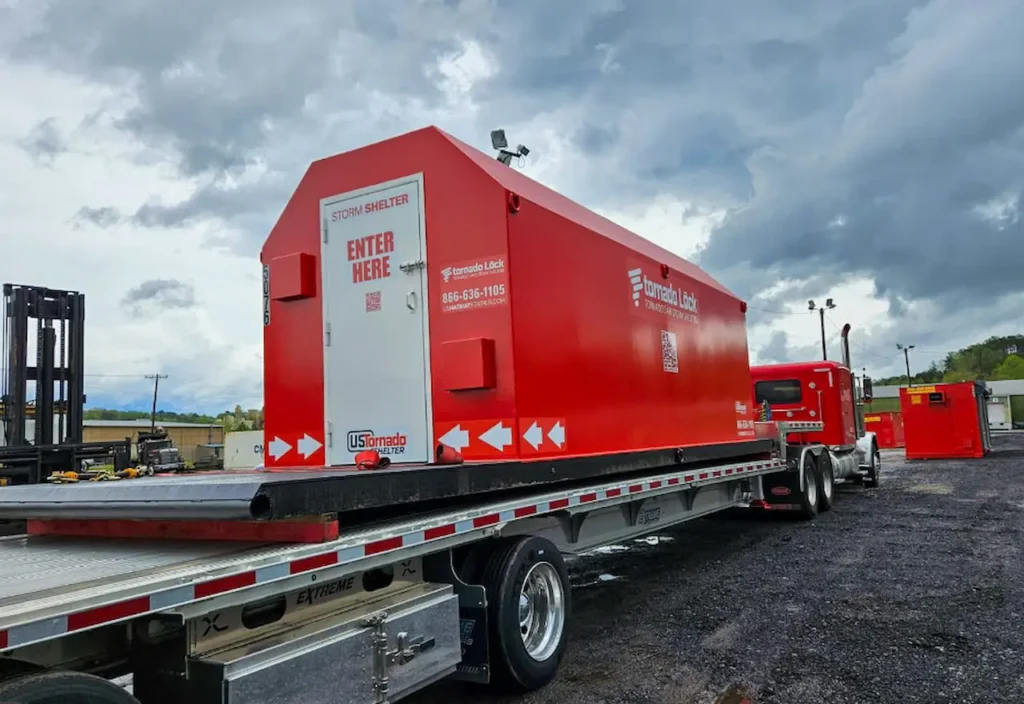
A public tornado shelter has to do more than stand ready in the background. During severe weather, it may need to support families, staff, visitors, older adults, children, people with mobility needs, and residents who arrive under pressure. That makes the shelter not only a structure, but part of a community’s emergency response system. Public […]
